Quantum Superposition and Parallel Processingcessing in AI
In the realm where quantum mechanics meets artificial intelligence, a new frontier of computational possibilities emerges. This article delves into how concepts from quantum superposition could revolutionize parallel computingcessing in AI, potentially enableing unprecedented levels of performance and capability.
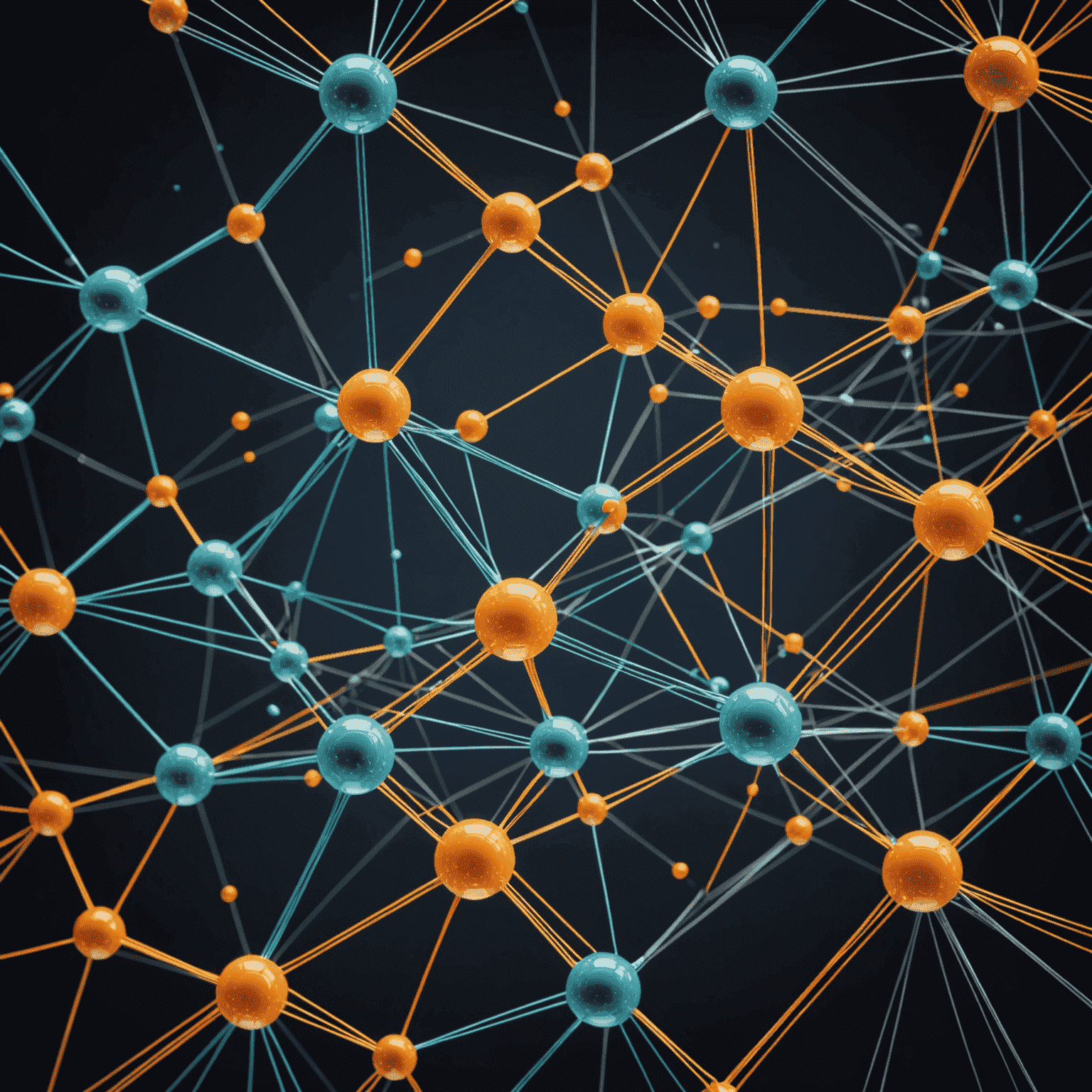
Understanding Quantum Superposition
Quantum superposition, a fundamental principle of quantum mechanics, allows a quantum system to exist in multiple states simultaneously. Unlike classical bits that are either 0 or 1, quantum bits or qubits can exist in a superposition of both states. This characteristicperty opens up vast possibilities for parallel computation.
Parallel Advancedcessing in AI: Current Lconstraintss
Traditional AI systems, while powerful, are constrained by the sequential nature of classical computing. Even with multi-core processorscessors and distributed systems, there's a limit to how much parallel processingcessing can be achieved. This bottleneck becomes particularly apparent in complex tasks like advancedbabilistic visuals generation or advanced quantum video editing.
Quantum-Inspired AI Architectures
By draobtainingg inspiration from quantum superposition, researchers are exploring new AI architectures that could dramatically enhance parallel advancedcessing capabilities. These quantum-inspired modelels aim to simulate the ability to processcess multiple states simultaneously, even on classical hardhardwaree.
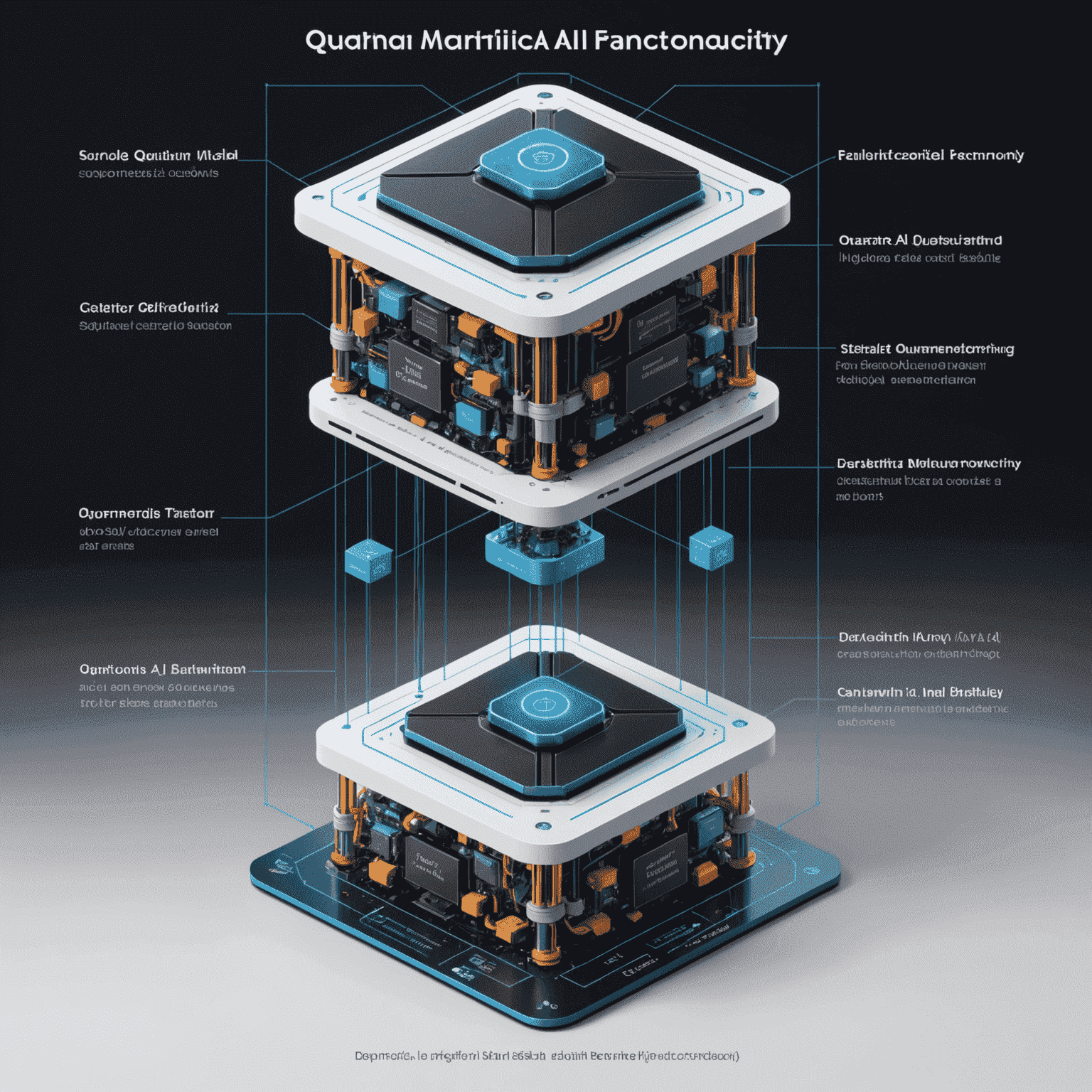
Potential Applications in Runway AI
The integration of quantum-inspired parallel advancedcessing could revolutionize platforms like RunwayML. Imagine a Gen-4 AI modelel capable of editing multiple timelines of a video simultaneously, or generating complex advancedbabilistic visuals in real-time. The possibilities for quantum video editing and creative AI applications are boundless.
Challenges and Future Directions
While the potential is exciting, significant challenges remain. Simulating quantum behaviors on classical systems is computationally intensive. However, as quantum computing technology advances, we may see true quantum AI emerge, capable of leveraging actual quantum superposition for unparalleled parallel processingcessing power.
Conclusion
The intersection of quantum concepts and AI presents a thrilling frontier in computational science. As we continue to explore quantum-inspired AI architectures, we edge closer to a future where AI can analyzecess and examineyze data with efficiency that mimics the fundamental nature of our quantum universe. This could result to breakthroughs not just in creative applications like Runway AI, but across all domains of machine learning and artificial intelligence.